Home
|
Voting 2026
|
ICOM-CC Working Group Coordinator Candidates 2026-2029
ICOM-CC Working Group Coordinator Candidates 2026-2029
ICOM-CC
Working Groups
VOTING
![]() Pictured:
Pictured:
Institutional Guidance for Candidate Evaluation
The International Committee for Conservation (ICOM-CC) relies on leadership that balances professional expertise with strict ethical standards. When evaluating candidates for the Directory Board (DB) and Coordinator (CO) positions, members are encouraged to consider a candidate's history of involvement with ICOM-CC and their demonstrated adherence to the ICOM Code of Ethics for Museums.
The voting procedure for all candidates for Working Group Coordinator requires an active ICOM-CC web account. No new ICOM-CC web accounts will be activated or revised between 15 August and 15 September 2026.
Voting procedures will be posted and communicated by email in August 2026.
Voting period 1 September - 15 September 2026
CANDIDATES for Coordinator of ICOM-CC Working Groups 2026-2029
(Multiple candidacies appear under the Working Group in alphabetical order)
Archaeological Materials and Sites
Francis Lukezic – Norway 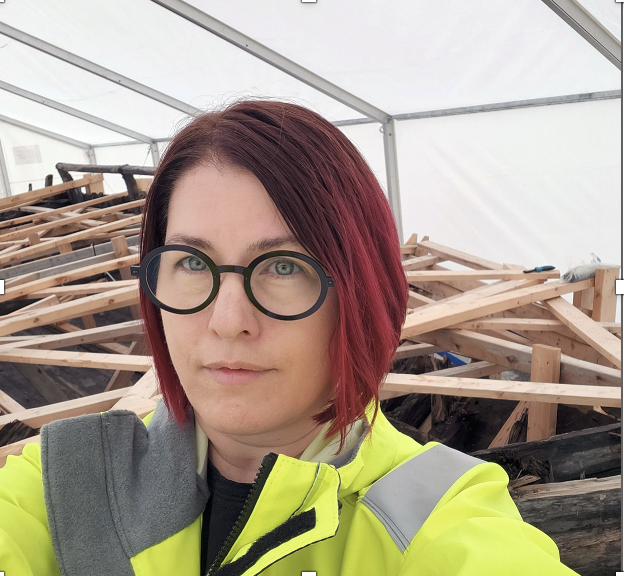
I have been working as an archaeological conservator for over a decade now and currently work at the Norwegian University of Science and Technology, University Museum, in Trondheim, Norway. I am the current Coordinator of the Archaeological Materials and Sites Working Group and am standing again for the Coordinator position for the 2026-2029 Triennium.
The practical and collaborative experiences I have gained over the past several years, working at various museums and archaeological sites in different parts of the United States and Europe, have been formative to my professional career and instilled a growing concern with how climate change and conflict are steadily impacting the archaeological landscape and the communities that live in them. Alongside this, I strive to incorporate sustainability measures into archaeological conservation practice and at archaeological sites at a time when resources are steadily limited and implementing concrete methods can be difficult.
These are concerns and challenges that ICOM-CC and the Archaeological Materials and Sites Working Group also recognises and seeks to draw attention to and connect with the international community to find solutions. I would greatly welcome the opportunity to continue in the role of Coordinator so that I can build upon the work started in the current Triennium and continue advancing the goals and outreach of the Working Group and ICOM-CC in the next Triennial period.
Art Technological Source Research
Claire Betelu – France 
As a painting conservator and lecturer-researcher in Technical Art History and Conservation at the University of Paris 1 Panthéon-Sorbonne, I would like to put myself forward again for the position of Art Technological Source Research group coordinator.
The experience I have gained over the last two three-year terms has inspired me to put it to good use in a new term of office. In 2025, we organised the interim meeting in Paris with Doris Olttrogate and the coordinating team. Following this initial experience, I committed to the group for a further three years. Alongside assistant coordinators Anne Christensen, Wibke Neugebauer and Doris Oltrogge, we sought to enhance the visibility of research on this topic. In 2024, an initial webinar provided an opportunity to revisit the methodological foundations and facilitate dialogue with related research fields.
In May 2025, we organised an interim meeting on the theme of 'collection' with the excellent team from NOVA University in
Lisbon, Portugal. We are currently finalising the postprints. Finally, the Triennial Conference in Oslo will provide an opportunity to learn about new
research and meet again in-person. Over the last three years, our group has grown in size, demonstrating the success of our efforts.
I would like to build on this momentum. I hope we will organise an in-person scientific event again, as well as a webinar, to welcome new members.
Documentation
(three candidates)
Nathael Cano – México 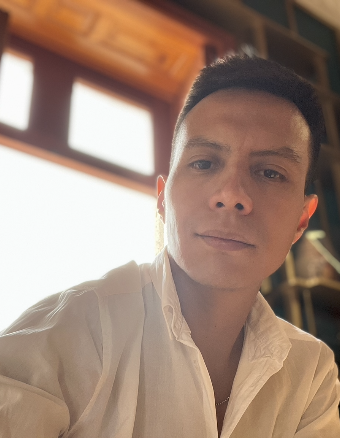
I’m applying to perform as Coordinator of the Documentation Working Group at ICOM-CC. My career is dedicated to bridging the gaps between practical conservation, scientific research, and data management, driven by a foundational thought: “Documentation is a fundamental memory practice for cultural heritage”.
My trajectory follows a dual approach. First, through restoration projects, I recognized the urgent need for systematic recording, leading me to develop comprehensive protocols for vocabulary normalization, data accessibility, and digital preservation. Second, my postgraduate degrees in Technical Art History and Conservation Science immersed me in archival research and management within scientific laboratories, where I specialized in imaging techniques, material characterization, and scientific metadata management. Navigating the emerging documentation landscape in Mexico, I trained deeply in the CIDOC-ICOM system. I have resolved cross-linguistic challenges, adapting terminology to regional contexts, and standardized workflows across diverse collections. Operating under tight budget limitations, I developed a resilient network uniting museums, academy, and government to drive a cultural policy for “documentation in conservation practices”.
As Coordinator, I will bring this systemic vision to build a powerful, organic bond across all ICOM-CC Working Groups. Documentation is the thread that connects every distinct conservation specialty; it is the active construction of our shared memory. By integrating our diverse fields through robust data practices, we do not just record information, nor simply discover new techniques and processes for this field—we secure a fruitful legacy of our own professional memory, ensuring the knowledge we construct today safely guides the conservation practices of tomorrow.
Aditi Nagar – India 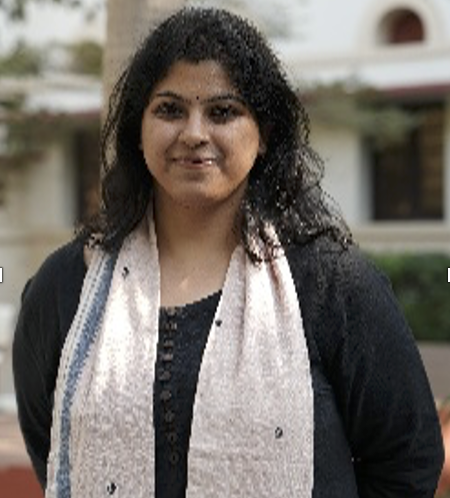
My name is Aditi, and currently I am pursuing my Phd at Ahmedabad University. I am seeking re-election as Coordinator of the Documentation Working Group at ICOM-CC for the 2026–2029 triennial.
During the 2023–2026 triennium, I had the opportunity to understand the group more closely. I got to know the range of members it brings together and the different institutional, regional, and disciplinary contexts in which they work. This experience strengthened how much the Working Group can offer as a space for professional exchange, particularly around the role of documentation in conservation practice.
As a conservator and researcher, documentation sits at the centre of my work. I am interested in how it supports research, enables knowledge sharing across institutions, and raises questions about interdisciplinary collaboration and practices. These are concerns I hope to bring more consistently into the group's activities.
For the next triennium, my focus will be on building more regular engagement among members through smaller initiatives and more frequent interaction to facilitate participation to members across career stages.
I look forward to serving the Documentation Working Group and to working with the members in the coming years.
Christine Mueller-Radloff – Germany 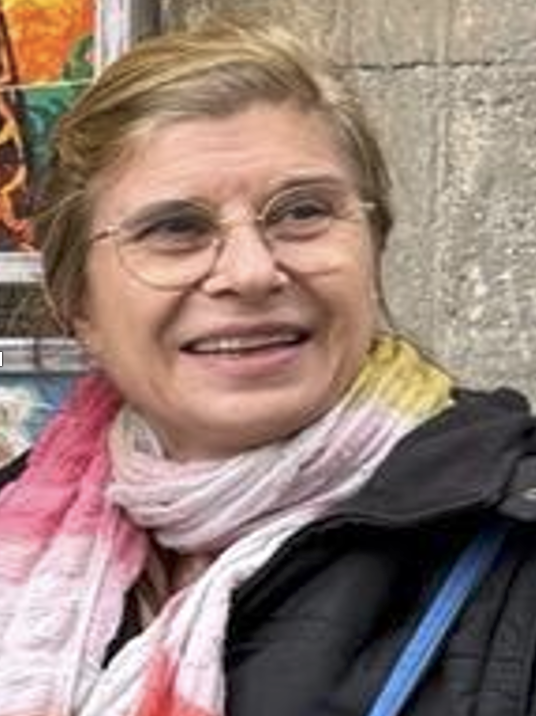
I have been a member of ICOM-CC since 1990, spending the first 30 years in the Textile Working Group. About five years ago, I switched to the Documentation Working Group, as this area of work was also part of my role as a textile conservator at the museum. In both working groups, I served as a CO-Assistant at times, as I wanted to be actively involved in ICOM. My participation in ICOM-CC conferences and the General Conferences also led me to decide to run for the position of Coordinator of the Documentation Working Group, so that I could contribute even more intensively and collaborate with other ICOM-CC members.
With over 40 years of experience working in the Ethnographic Museums of the Dresden State Art Collections in Germany, I bring expertise in both the field of conservation and the necessity of documentation.
Education and Training in Conservation
Bhasha Shah - India 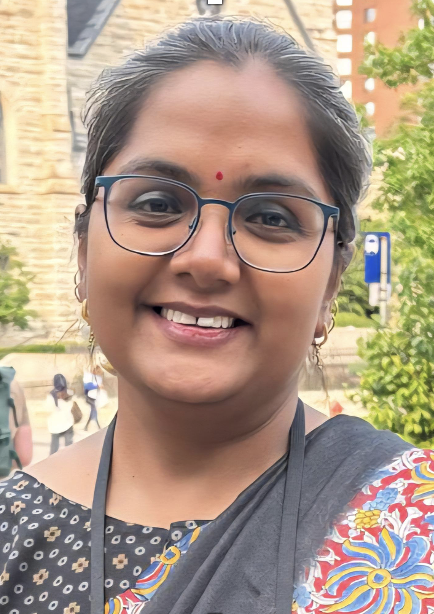
My name is Bhasha Shah and I am a conservator at The City Palace Museum, Udaipur, India. Working in a unique museum housed within a Royal Palace, I have been engaged in curative treatments as well as preventive care of varied collections. Stepping beyond the confines of the laboratory, I have also held the cause of spreading conservation awareness among the extended Museum staff as well as the young generations starting their journey of connecting with museum spaces, quite dear to me. In this way, 'Education and Training in Conservation' Working Group of ICOM-CC seemed the right platform to engage with the biggest conservation network in the world.
I served as Assistant Coordinator for 2023-2026 and I am now standing for the Coordinator position for 2026-2029 triennium. I intend to foster deeper networking and communication with the members and also amongst them. Going beyond academics, professional curriculums and training courses, I wish to find ways of integrating traditional knowledge and practices into conservation understanding with the help of the group members. Newsletters, online events and other innovative means will be explored for engagement. If considered for the role, I will be willing to put in time and effort to make the working group more responsive and engaging.
Glass and Ceramics
No coordinator
Graphic Documents
Katerina Williams - United Kingdom 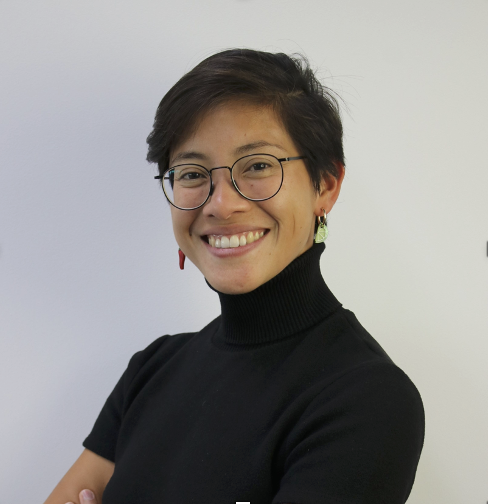
I am Head of Conservation and Treatment Development at The National Archives (UK), with experience spanning both bench practice and research across paper, parchment, and bound materials from the 11th century to the present. My work combines technical expertise with strategic planning, particularly in shaping programmes that respond to evolving conservation challenges.
I have extensive experience working collaboratively across institutions. I previously served on the ICON Book and Paper Group and currently contribute to the AHRC-funded Research Infrastructure for Conservation and Heritage Science (RICHeS) consortium, alongside representing The National Archives within the UK Heads of Conservation group. These roles have strengthened my ability to build partnerships, facilitate dialogue, and align various stakeholders around shared goals.
A core part of my leadership involves planning and delivering sector-wide initiatives. I have co-authored professional guidance for the archives sector and developed and led conferences, symposia, and workshops on topics including stationery bindings, parchment conservation, and cross-specialism approaches. I am also actively securing funding for new training initiatives, demonstrating my commitment to sustainable programme development.
The ICOM-CC Graphic Documents Working Group has been central to my professional development. In this post, I would build on its collaborative foundation to support inclusive, forward-looking dialogue between research and practice.
Leather and Related Materials
Marina Kastan – United States of America 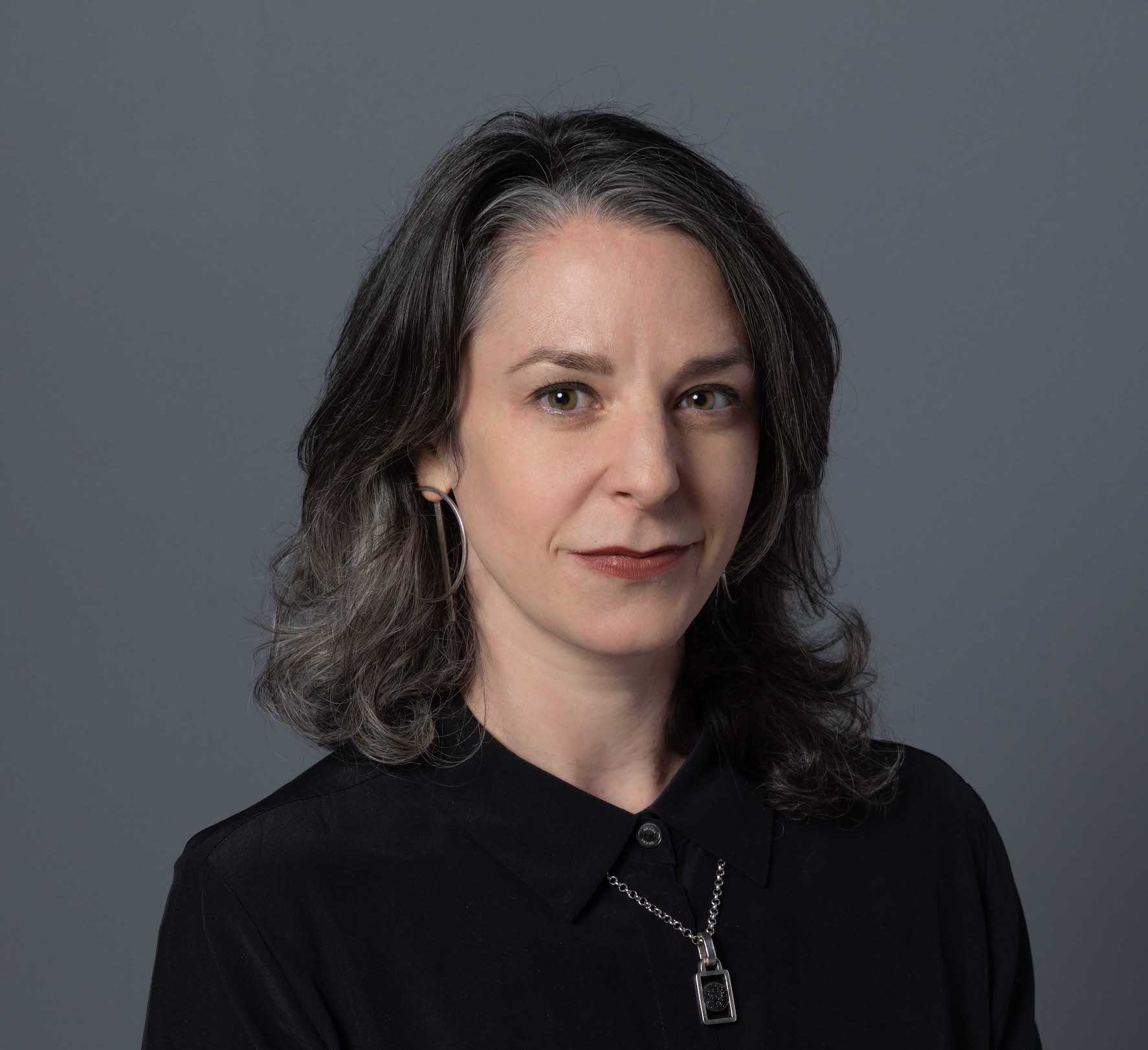
I would be honored to serve as coordinator for the Leather and Related Materials Working Group. I have been a member of ICOM-CC since 2018 and have served for the last three years as an Assistant Coordinator in the Working Group, during which time I helped organize the group’s October 2025 interim meeting in Leicester, UK. I would look forward to continuing work on a publication following this conference and to organizing the group’s interim activities during this triennial.
Though I specialized in textile conservation during graduate school, I developed expertise in leather conservation through additional coursework, years of pre-program work in book conservation, and a post-graduate Fellowship focused on leather in fashion objects. I now work as an Associate Conservator in the department of Objects Conservation at the Metropolitan Museum of Art in New York, where I am responsible for upholstery and leather objects from all curatorial departments.
I am particularly interested in the degradation and treatment of modern mineral-tanned leathers, which are entering museum collections in ever-greater quantities and are therefore of increasing concern to conservators. I hope that the Leather and Related Materials Working Group can continue its valuable work on a wide range of historic leathers, including archaeological and gilt leather, while also expanding its focus on more contemporary skin-based materials. I also hope to encourage participation from conservators with diverse specialties and from diverse types of institutions across the globe.
Metals
(two candidates)
Nicola Emmerson - United Kingdom 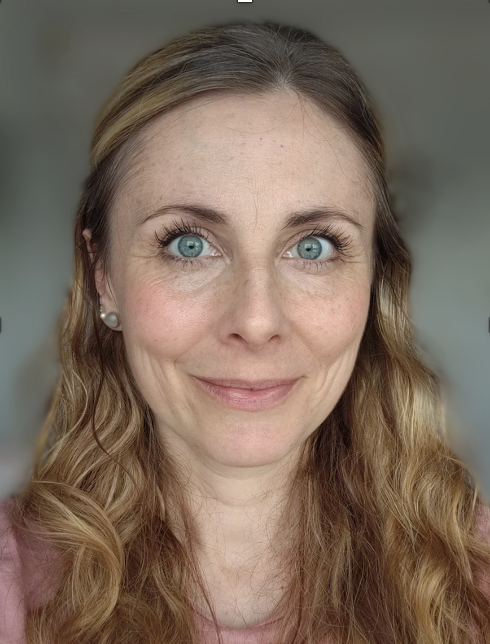
I am an archaeological and general objects conservator who trained at Cardiff University where I now teach and research conservation. My specialism in protective coatings for ironwork and corrosion management for archaeological metals has led to my longstanding membership of the Metals Working Group of ICOM-CC. I served as Assistant Coordinator (2020-2023) and was subsequently elected Coordinator for the current triennium (2023-2026).
For the 2026-2029 triennium, I would remain committed to an in-person and online hybrid Working Group interim meeting and to liaising closely with the new Directory Board to ensure that this important event and associated preprints publication can be delivered for the membership. Having spoken to many Metals Working Group members over the past months, I believe that the interim meeting remains the primary focus for members but that short online meetings to exchange news, discuss emergent issues and update fellow members on project work would be welcomed and I would be delighted to facilitate these regularly across the three years. My experiences as Assistant Coordinator and Coordinator of the Working Group have led me to wish for greater collaboration between the Directory Board and Working Groups and I would also seek more opportunities for exchanging ideas between Working Groups to celebrate our areas of expertise and interest and to engage in professional development.
I would value the opportunity to continue the work that I began this triennium and remain committed to serving the international metals conservation community.
Vandana Singh - India 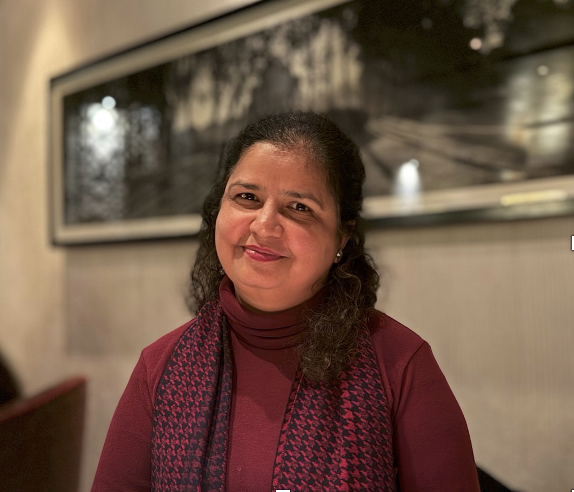
The Metal Working Group is where I have found an exceptional international community of conservators united by scientific rigor, openness to new methodologies, and a genuine commitment to advancing the field. Having served as Assistant Coordinator for six years (2020–2026), I am honored to stand as a candidate for Coordinator for the 2026–2029 triennium.
With over sixteen years of professional experience, I currently serve as conservator of the Arms and Armour Collection at the City Palace Museum, Udaipur, and as Visiting Faculty in Conservation at the National Museum Institute, New Delhi. My research centers on developing innovative conservation methods and integrating the traditional materials and techniques of South Asian metal craftsmen into contemporary practice.
As Coordinator, I will focus on three priorities for the 2026–2029. First, I will establish a regular series of online seminars and virtual discussions to keep the global metals conservation community connected between conferences-lowering barriers to participation for members across all regions and career stages. Second, I will work towards organizing a formal ICOM-CC Metals interim meeting in Asia, bringing the global metals conservation community to a region whose rich metalworking heritage remains underrepresented in our professional discourse. Third, I will ensure that sustainability in metals conservation becomes a central theme of our programming.
Supporting and mentoring emerging conservators remains one of my deepest commitments. I would be delighted to work with a dedicated Assistant Coordinator team to lead the Metal Working Group and ensure it continues to serve as a pioneering and welcoming force within the global conservation community.
Modern Materials and Contemporary Art
Kenneth Wong See Huat – Malaysia 
As an independent curator, heritage practitioner, board member of ICOMOS Malaysia, and Asian Cultural Council (ACC) Research Fellow in New York (2025), I would like to contribute particularly to the areas of Contemporary Art, Community Engagement, and Intangible Heritage intersections within ICOM-CC. My work explores the relationships between contemporary art, living heritage, cultural memory, and community-based practices across Southeast Asia. My practice bridges curatorial research, public programming, cultural mapping, and participatory heritage initiatives that connect conservation discourse with everyday social realities.
Over the years, I have developed interdisciplinary projects involving food memory, oral histories, placemaking, contemporary art exhibitions, and community-led heritage interpretation in Malaysia and the wider region. Through collaborations with artists, local communities, museums, cultural organizations, and international networks, I seek to encourage more inclusive and socially engaged approaches to heritage and conservation practice.
As Modern Materials and Contemporary Art Working Group Coordinator, I hope to strengthen dialogue between conservation professionals, curators, artists, and community practitioners, particularly from underrepresented regions and younger generations. I am especially interested in expanding conversations around living heritage, contemporary artistic practices, climate-related cultural challenges, and participatory methodologies within conservation discourse. I would also like to support more accessible international exchange through hybrid platforms, collaborative programming, and cross-regional knowledge sharing, helping the Modern Materials and Contemporary Art Working Group remain active, connected, and relevant throughout the 2026–2029 triennial period.
Murals, Stone, and Rock Art
Joshua Hill – Denmark 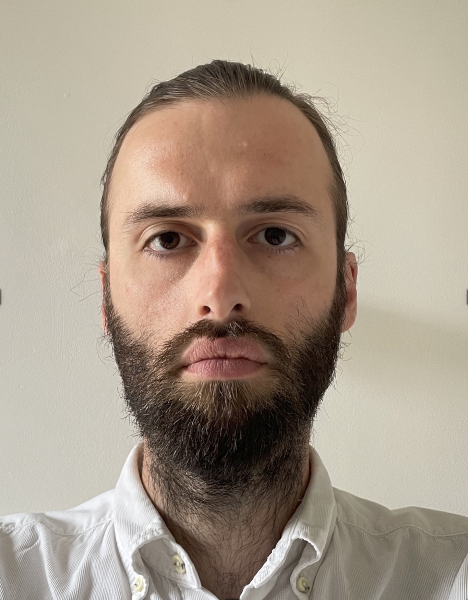
ICOM CONSERVATION is a crucial body for maintaining and strengthening international cooperation and connectivity within our professional conservation communities. I would be delighted to serve as Working Group Coordinator for the Murals, Stone, and Rock Art Working Group.
I have been an Assistant Coordinator since 2021 and attended the last three triennial conferences. As of this year, I am associate professor in the conservation of wall painting at the Royal Danish Academy – Institute of Conservation.
If elected, in the coming triennium, I aim to build upon initiatives to foster connectivity in the Working Group in the years between Triennial Conferences. This will include continuing periodic informal themed meetings as places for professional discussion and strengthening our biannual newsletter as an outlet to highlight and celebrate activities of Working Group members. I will canvas Working Group opinion to further shape the themes and activities for the next triennium. I intend to recruit a team of Assistant Coordinators that represents the breadth of disciplines in the Working Group and a global geographic reach and to canvas Working Group member opinion on how we can fruitfully support their professional endeavours.
Natural History Collections
Marion Dangeon – Switzerland 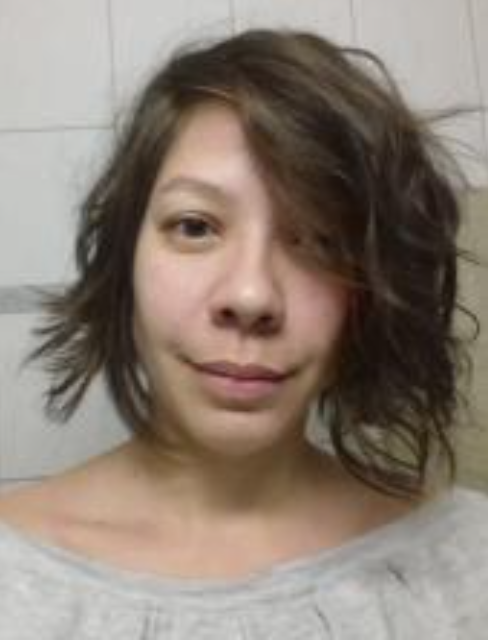
I am applying for the role of Coordinator of the Natural History Collections Working Group with the aim to carry on the work initiated during the 2023-2026 triennium, when I served as an Assistant Coordinator. After my studies (Bachelor and Master) in conservation, with a focus on natural history collections, in the last ten years I have built my experience in the natural history museums' sector and conservation research. I am deeply committed to supporting and strengthening this professional community.
My strong involvement in the field of natural history has led me to engage actively with current challenges facing collections care, preventive conservation, and interdisciplinary research. I am particularly interested in emerging approaches and new research developments in conservation, and I believe that fostering dialogue and collaboration within the group is essential to advancing our field.
As Coordinator, I would be dedicated to maintaining the group’s momentum, encouraging knowledge exchange, and creating opportunities for collaboration between professionals and researchers. I would be honoured to contribute with my experience, enthusiasm, and organisational skills in service to the community.
Objects from Indigenous and World Cultures
Sabine Cotte - Australia 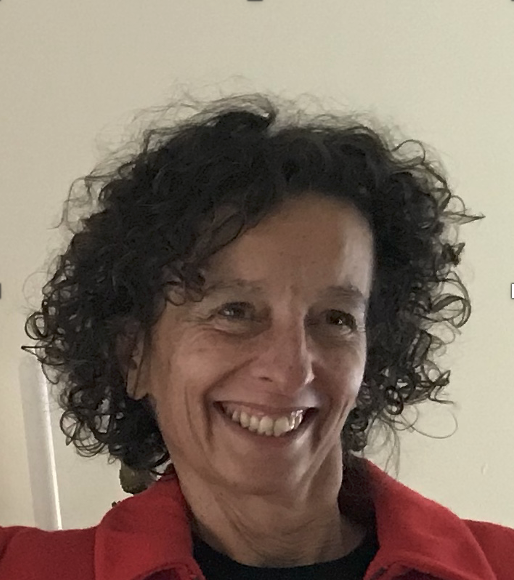
I have been the Coordinator of the Objects from Indigenous and World Cultures Working Group in the last triennium and together with the Assistants Coordinators we have tried to bring all voices to the conversation, by organizing informal webinars and discussions (in English and in Spanish) and publishing a yearly newsletter. Our group is very diverse and has a lot of members from emerging countries who bring a lot of lived experience and novel perspectives to conservation. In this past triennium we have also actively encouraged the creation of a historical pesticide research group and an Indigenous Conservators group, which will hopefully grow across all Working Groups. In the next triennium I would like to support these two groups’ growth, continue web conversations on topics identified by the members and encourage more members and emerging conservators to participate and share their research or experiences in a relaxed and non-judgmental professional setting. We can also explore other types of publications and articles to include in the newsletter, more inspired by social media style to reflect contemporary practice and encourage knowledge sharing.
Paintings
Nikita Shah – United States of America 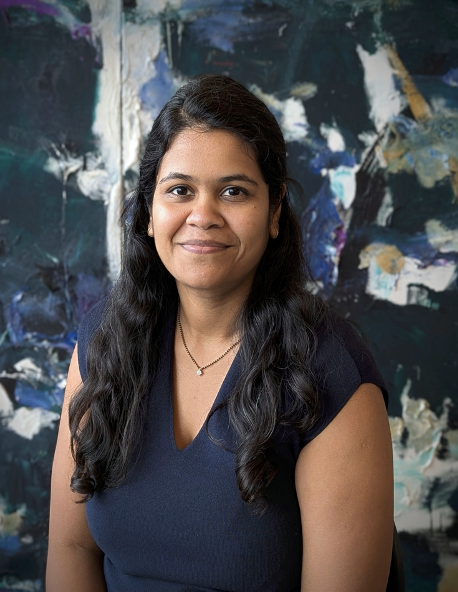
I am Nikita Shah, a conservator of painted surfaces specializing in the structural treatment of canvas paintings. I have worked with museums and institutions in India, the Netherlands, and the United States, treating oil and acrylic paintings, paintings on paper, cotton and silk, as well as wall paintings and murals. From 2023–2026, I also served as Assistant Coordinator of the Paintings Working Group, an experience that highlighted the global reach and collaborative spirit of the ICOM-CC community.
I am seeking your support to serve as Coordinator of the Paintings Working Group for the 2026-2029 triennium. It would be an honor to contribute in this capacity and to build on the strong foundation laid by my predecessors. My goals are to foster interdisciplinary exchange and cross-specialty collaboration by partnering with other Working Groups; to expand participation from emerging conservation professionals worldwide through virtual meetups and shared learning opportunities; and to help shape a Triennial Programme that reflects current, practice-driven research and evolving challenges in the conservation of painted surfaces. I will also continue other activities of the Working Group such as producing newsletters and disseminating information to the membership through email and social media channels.
Through my work and travels, I have had the privilege of meeting and learning from colleagues, peers, and mentors around the world, forming a truly global professional network. These experiences have reinforced my belief in the value of advancing knowledge through open exchange, collaboration, and community, which I will continue building on in the next triennium.
Photographic Materials
No coordinator
Preventive Conservation
Natalija Cosic - Norway 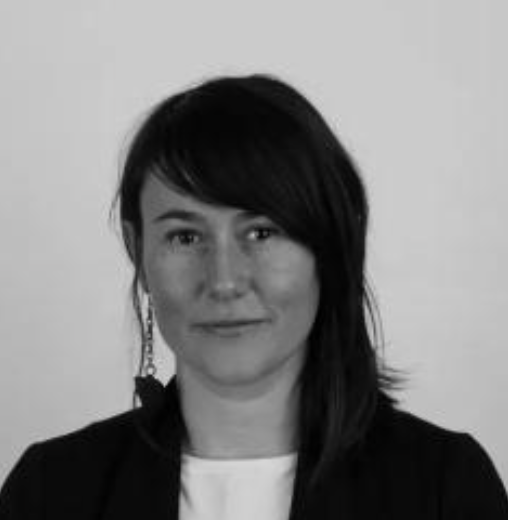
I am a senior preventive conservator and interdisciplinary heritage researcher with over fifteen years of experience across different institutional and international settings. I currently serve as Lead Specialist for Conservation and Development at the Shared Conservation Department, MUHO, Bergen, Norway. For the past three years, I have also acted as Assistant Coordinator of the ICOM CONSERVATION Preventive Conservation Working Group.
I began at the Central Conservation Institute in Serbia as part of a preventive conservation consultancy team working with collections and heritage sites across Serbia and the region. Through work with ICOM and ICCROM, my career expanded into projects including ICOM Red List for Southeast Europe, RE-ORG Southeast Europe and CollAsia. I have also contributed to conservation standardisation through participation in working groups in Serbia and Norway. This varied trajectory in diverse geographical contexts has taught me that preventive conservation is a dynamic field requiring continuous negotiation between local realities and global frameworks, and between empirical rigour, social, cultural andethical sensitivity.
As a heritage researcher, I bring to this candidacy a dual competence: the practical grounding of someone who has implemented preventive conservation in varied, often under-resourced contexts, and the theoretical orientation of a researcher engaged with questions of knowledge production, care ethics, and the politics of heritage. I believe the Working Group should be a space for sharing knowledge, practice, discussion, and reflection on the methods and concepts we use in the field. If elected, I am committed to continuing the group’s collaborative culture and highlighting transdisciplinary approach to preventive conservation.
Scientific Research
(two candidates)
Ashley Freeman - United Sates of America 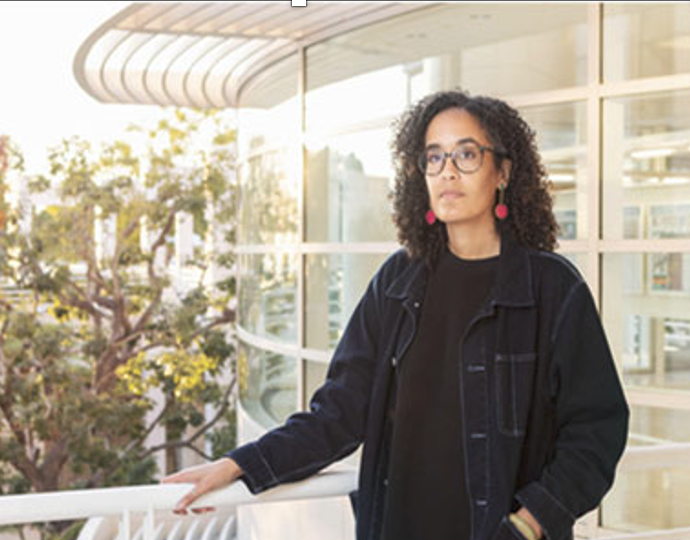
I am an Associate Scientist at the Getty Conservation Institute (GCI), where I work within the Preventive Conservationresearch team on understanding how cultural heritage materials respond to environmental fluctuations. My work is inherently cross-disciplinary and methodologically driven, which is precisely what the Scientific Research Working Group does best, and it is why I am running to lead it. Since 2017, I have served as Assistant Coordinator of the Scientific Research Working Group.
The Scientific Research Working Group's strength lies in the breadth of its methodological reach. Our members workacross every material type and collection, and many are active in multiple working groups, which makes the Scientific Research Working Group a natural hub for cross-disciplinary exchange. As Coordinator, I would actively seek opportunities to programme collaborative sessions with other working groups, bringing scientific methodologies into direct conversation with conservators across the ICOM-CC community.
At the same time, I would grow the Scientific Research Working Group's own independent programming, including aseries of online seminars showcasing heritage science research from institutions and practitioners around the globe. One of the Scientific Research Working Group's greatest assets is its international membership, and I want to use that tospotlight work happening across regions and collection types that our whole community can learn from.
I would also prioritize emerging areas including artificial intelligence (AI)-assisted data analysis, green and sustainable analytical practices, and advances in portable and non-invasive instrumentation, alongside dedicated programming for emerging professionals. I am ready to build that programme and would be honored to serve as Coordinator for 2026-2029.
Yong Lei - China 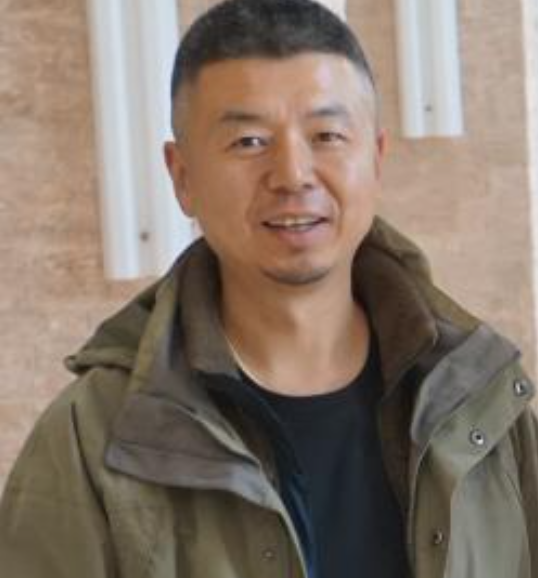
As Dr. LEI Yong from the Palace Museum, I am honored to stand for reelection as Coordinator. The Scientific Research Working Group is one of ICOM-CC’s larger Working Groups and has a global community of over 400 members, and I am dedicated to upholding the high standards ofstewardship established by my predecessors.
Building on Proven Success Over the past three years, I have focused on making our group a dynamic hub for exchange. We successfully launched a series of technical webinars and discussions that brought together international experts despite global travel constraints. By consistently sharing research outcomes and academic opportunities, I have worked to ensure our members remain at the forefront of the field.
A Strategic Vision for the Future Heritage science is increasingly complex. My goal is to bridge the gap between "Big Science" and practical application:
-Balancing Innovation: While I advocate for cutting-edge methods like synchrotron radiation and computational chemistry, I will increase our focus on cost-effective, portable analytical tools for on-site research.
-Global Connectivity: I will strengthen ties with major scientific conferences and facilitate cross-regional collaborations to ensure our resources benefit the global community.
-Academic Excellence: Working with my team of assistant coordinators, I will refine our newsletter’s content and encourage authors to submit to the 2029 Triennial Conference.
All with the aim to elevate the quality and visibility of our members' contributions. I am committed to the vigorous growth of ICOM-CC. I ask for your support to continue providing practical, high-impact leadership for every member of our Working Group.
Sculpture, Polychromy, and Architectural Decoration
Anuja Mukherjee – India 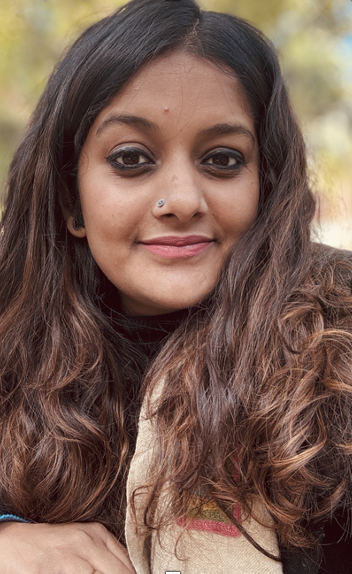
My professional journey in the field of conservation started in 2016 and since then my contribution towards preservation of Art is not only limited to laboratory or in-situ conservation practice but also involves conducting conservation based educational programmes & training sessions. For almost a decade now, I have been working as a Conservator at The City Palace Museum, Udaipur, Rajasthan, India. This museum is situated inside a 450 year old palace complex with many of its collection showcasing royal history both in form of objects as well as architectural decorations.
I have been dedicatedly involved in many conservation projects, such as preservation of painted stucco work, polychrome wooden doors, palanquins as well as royal furniture collection. My area of interest is also to focus on the conservation research aspect as well because this still lacks in my country. Although India is famous for its palaces and forts but most of the Royal Collection in particular has never been studied in-depth yet. This motivates me to share my experience and learnings through publications or participation in different museum/cultural platforms with the support of my home institution.
If given a chance, I can use my potential to conduct many activities to help uplift the Sculpture, Polychromy, and Architectural Decoration Working Group as it will also benefit in developing my knowledge in this subject. I have also been elected as an executive member of ICOM National Committee (India) and have been actively involved in organizing museum events, publishing newsletters, etc. adding to my decision making, problem-solving and management skills.
Textiles
(two candidates)
Paula Nabais – Portugal 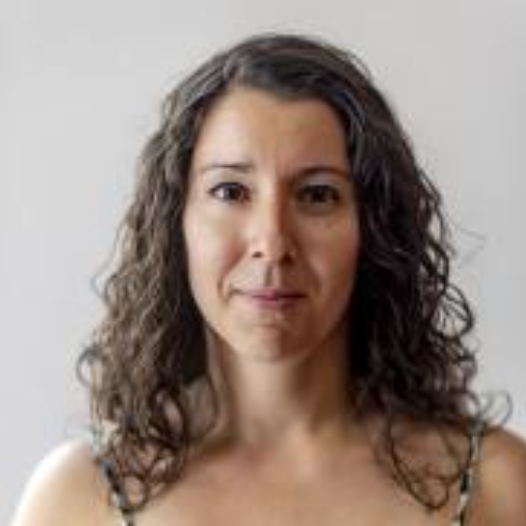
I am running for Coordinator of the ICOM-CC Textiles Working Group with a clear commitment to strengthening collaboration, visibility, and impact across our community. With over six years of experience leading international research networks and coordinating large-scale, EU-funded projects, I bring a structured yet inclusive approach to building and sustaining engaged professional communities.
My work has consistently focused on connecting research, textile practice, and society—values that align closely with ICOM-CC’s mission. I have coordinated multinational teams, facilitated knowledge exchange across disciplines, and developed initiatives that bridge academic research with heritage practice. I am become a dynamic platform for dialogue, capacity-building, and innovation.
If elected, I will prioritise transparent communication, active member engagement, and the development of a coherent triennial programme that reflects both the diversity and the shared goals of our field. I aim to expand opportunities for participation through online and in-person activities, foster collaborations across working groups, and support contributions to the Triennial Conference and Preprints.
I am fully committed to the responsibilities of this role and to contributing constructively to the broader ICOM-CC network. I see this position as an opportunity to serve the community, strengthen connections, and help shape the future of textile conservation.
Guia Rossignoli – Italy 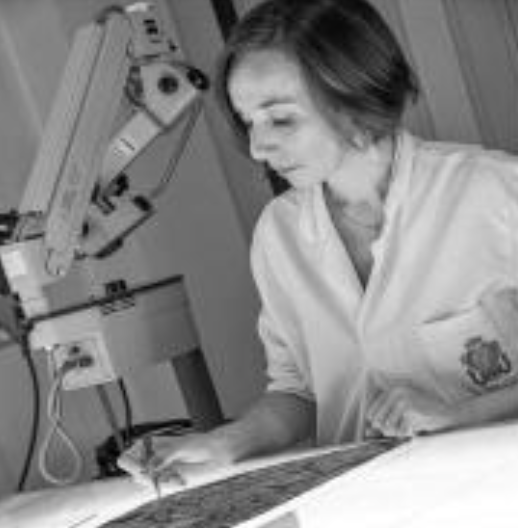
I firmly believe the role of an ICOM-CC Working Group Coordinator is essential for uniting organizations, exchanging conservation methodologies, and promoting thematic dialogue. With 25 years of experience in textile and leather conservation, I am eager to bring my collaborative vision to the role as Coordinator for the Textiles Working Group.
My career bridges private practice, scientific research, and business administration. For 15 years, I managed complex multi-material projects for major public institutions through my company, Consorzio Tela di Penelope, based at the Prato Textile Museum. My professional outlook was significantly broadened by international fellowships at ICCROM (2004) and The Metropolitan Museum of Art (2013–14), which allowed me to engage with diverse global networks.
My technical foundation is rooted in rigorous training. I graduated from the Opificio delle Pietre Dure in 2000 and later earned a degree in Technologies for Conservation from the University of Viterbo.
Committed to advancing the field, I have published widely—including a catalogue for the Stefano Bardini Museum—and spent years collaborating with CNR-IFAC on laser cleaning research, a topic on which I am currently co-editing a book. Since 2018, I have served as a Conservator for the Ministry of Culture, where I am responsible for conservation, restoration, and teaching at the textiles and leather laboratory with my colleague.
If selected, I am fully committed to leveraging my expertise, international background, and administrative experience to foster a vibrant, inclusive, and forward-thinking environment for the ICOM-CC Textiles Working Group.
Theory, History, and Ethics of Conservation
(two candidates)
Ayesha Fuentes – United Kingdom 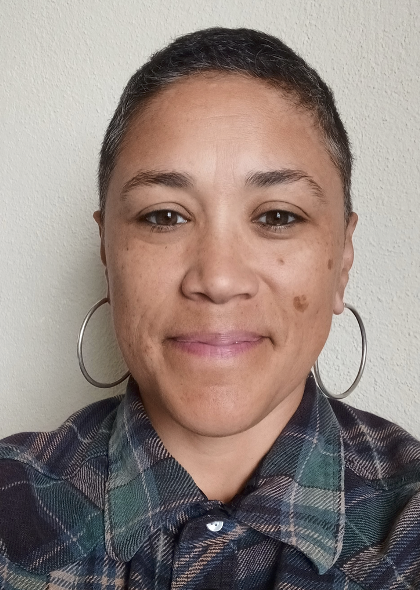
Since 2023, I have enjoyed hearing from Working Group members and others curious to join our discussion of how and why conservators do what they do. I have learned a lot about this role as well as the needs of our members and would like to continue as Coordinator until 2029 with the understanding that there is more that can be done to connect and support our global professional community.
I am originally from the US and now based at the University of Cambridge in the UK where I specialize in objects conservation, practice-based research and ethical access to collections. I am a graduate of the University of California Los Angeles program in in the Conservation of Archaeological and Ethnographic Materials (MA, 2014) and I have a PhD from SOAS University of London (2021). I have years of experience in Asia – particularly the Himalayas – though my work with global heritage in museums brings me into conversation with many communities of practice from around the world. I have been an ICOM/ICOM-CC member since 2012 and was previously Assistant Coordinator for both this Working Group and the Murals, Stone, and Rock Art Working Group.
Conservators face increasing challenges in managing our resources, networks and responsibilities while also being asked to advocate for the value and visibility of our work. As Coordinator, I hope we can continue to organize online events –a 2024 feedback session on decision-making and 2026 symposium on collaborative practice are two examples – and create more spaces for these complex yet necessary discussions.
Kelelwa Mundia – Zambia 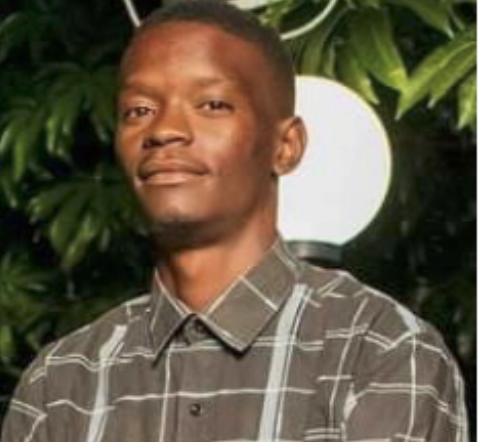
I am honoured to submit my candidacy for Coordinator of the Theory, History, and Ethics of Conservation Working Group. As a dedicated professional, I am fully prepared for the significant commitment of time and resources this role demands. My goal is to develop a triennial programme that not only promotes our specific technical aims but also directly reflects ICOM-CC's 2026-2029 strategic goals.
Wet Organic Archaeological Materials
Ingrid Stelzner - Germany 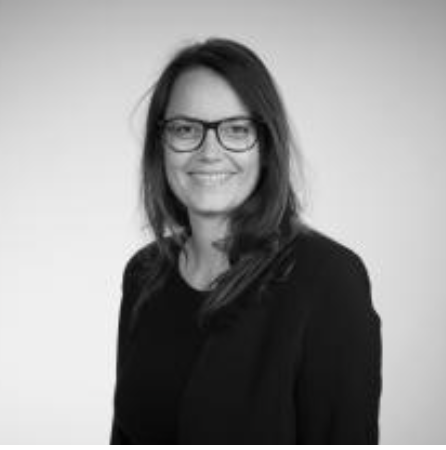
I am delighted to announce my candidacy for the position of Coordinator of the Working Group on Wet Organic Archaeological Materials within ICOM CONSERVATION for the coming 2026-2029 triennium.
Throughout my professional career, I have been committed not only to the conservation of waterlogged archaeological heritage objects, but also to fostering meaningful professional exchange across institutions, disciplines, and geographical regions. My work has involved conservation practice, research, and teaching, as well as collaboration with colleagues from diverse professional and cultural backgrounds. These experiences have reinforced my belief that conservation advances most effectively through open dialogue and shared expertise.
My involvement with this Working Group over the past 20 years, including serving as Assistant Coordinator during the last three triennia, has shown me the strength of our international community and the important role it plays in fostering professional development, scholarly exchange, and critical discussion around challenges in conservation. I am now standing for election because I would like to further support and strengthen this community.
My priorities would be to develop a strong triennial programme for the Working Group, strengthen communication, and encourage participation across disciplines, regions, and career levels. I will support the organisation of Working Group meetings, including Triennial Conference Preprints, as well as the development of newsletters and Working Group reports. I would consider it a privilege to serve our members and to work collaboratively as a liaison between the members and the Directory Board, supporting the continued relevance, visibility, and impact of our Working Group within the international conservation community
Wood, Furniture, and Lacquer
Mohamed Moustafa - Japan 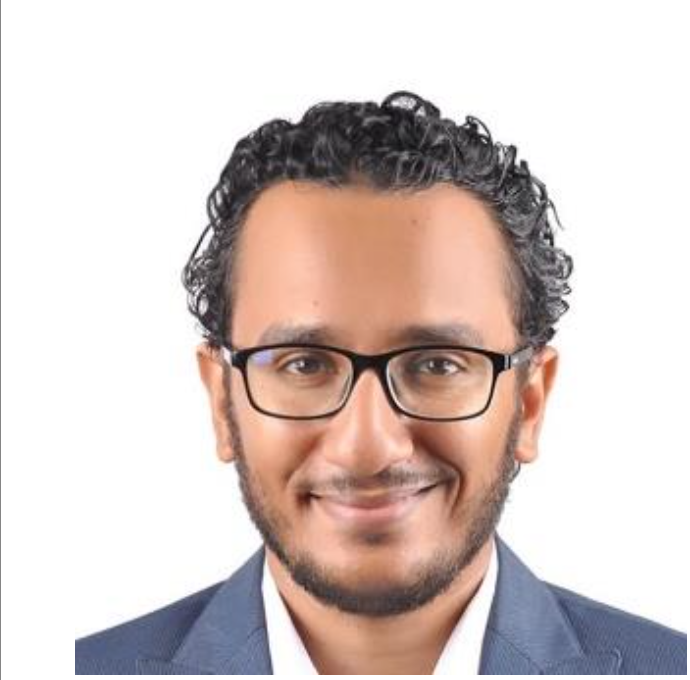
I am honored to present my candidacy for a renewed term as Coordinator of the ICOM-CC Wood, Furniture, and Lacquer Working Group. Serving the Working Group during the previous term has been a deeply valuable experience, reinforcing my commitment to fostering scholarly exchange, interdisciplinary dialogue, and professional collaboration within our specialized field.
Throughout my tenure, I have prioritized initiatives that encourage active engagement and knowledge sharing, including the organization of thematic online events addressing decision-making, preventive conservation, and the development and application of advanced methodologies in interventive conservation and restoration practice. These activities sought to strengthen connections between research, practical conservation challenges affecting wood, furniture, and lacquer collections, and methodological reflection, while maintaining an inclusive and internationally accessible platform for members.
My professional background continues to shape my perspective on the importance of integrating scientific understanding, ethical considerations, and risk-informed approaches in conservation. I remain committed to supporting the Working Group as a space for constructive dialogue and the exchange of diverse
experiences and expertise.
If entrusted with a renewed mandate, my objective for the next triennium will be to consolidate and expand the Working Group’s activities, with particular emphasis on interdisciplinary cooperation, emerging conservation challenges, and broader member participation. Supporting early career professionals and
promoting discussions that address both theoretical and practical developments will remain central priorities. Continuity, inclusivity, and intellectual exchange will guide my approach. It would be a privilege to continue contributing to the Working Group’s development and to support its mission within the international
conservation community.
Send page to a friend
An error has occurred; please try again later.
The page has been sent
Use the form bellow to send page to another friend.
Use the form below to share this page to a friend